Which Valorant spoofer actually works compared with free HWID changers and manual methods
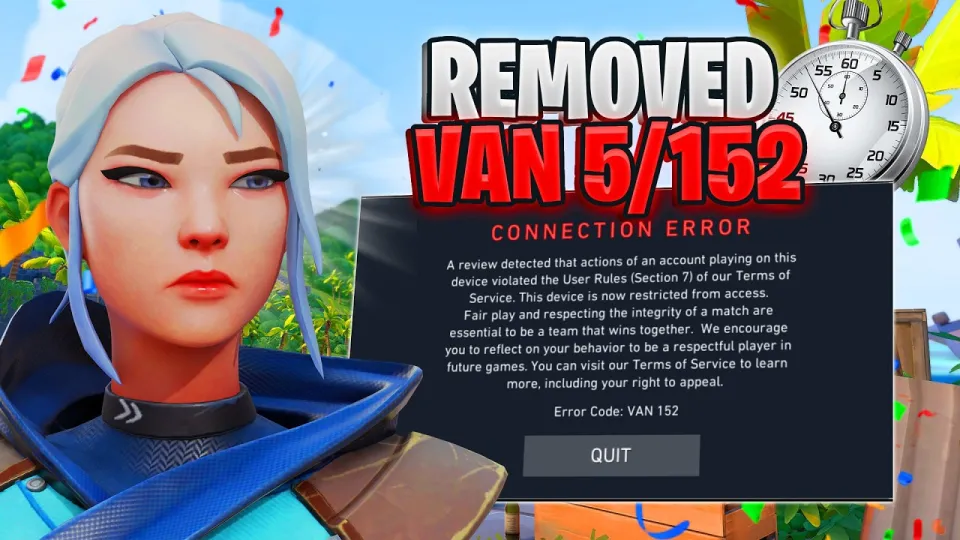
Video: This Valorant HWID Spoofer Actually Works… Full Showcase (Valorant Spoofer)
· based on the channel medi__posh
A Valorant HWID spoofer is a tool that changes the hardware identifiers Riot's anti-cheat reads, so a machine tied to a hardware ban looks like a different PC. Between the realistic options, a maintained paid loader such as the one sold through the SWR Solution product page is the safer bet than free changers or manual registry edits, because it covers more identifiers in one pass and is updated against current Vanguard checks. It does not restore a banned account — that part is on you.
What a Valorant HWID spoofer actually changes
A hardware ban is not one value but a set of them, and a spoofer has to touch the ones Vanguard collects. The identifiers that matter in practice are the disk serial number, the SMBIOS and motherboard UUID, the volume ID of the system drive, the MAC address of the network adapter, and in some cases the GPU and monitor EDID strings. Vanguard runs as a kernel-level driver at boot, which means it can read these before most user-mode tools ever start.
A working spoofer therefore does two things: it writes new values into the places Windows reports them, and it keeps those values consistent across reboots so the machine does not flip back to the old identity mid-session. Tools that patch only the registry keys are the ones that get flagged again quickly, because the underlying hardware still answers with the original serials.
Paid loader versus free HWID changer versus manual spoofing
The three approaches differ mainly in coverage and in how long the result survives a Vanguard update. A paid loader bundles a driver-level layer that masks multiple identifiers at once and ships updates when Riot changes what it reads; a free changer usually edits one or two values and is abandoned after a few weeks; manual spoofing means editing disk serials and SMBIOS yourself with tools like a volume ID changer and a BIOS writer, which is free but easy to get wrong and easy to leave inconsistent.
For most people the trade-off is simple: manual methods cost nothing but hours of troubleshooting and a high chance of a re-ban, free tools cost nothing but rarely survive an anti-cheat patch, and a paid loader costs money but compresses the whole job into a short scripted sequence. The showcase from medi__posh walks through the paid route end to end — installation, configuration, the spoof itself, then launching the game — which is the flow described in the next section.
The setup sequence shown in the breakdown
Setup in the showcased loader follows a fixed order, and the order matters because Vanguard reads hardware at boot. The steps below match the flow in the video.
- Disable or pause anything that could interfere with driver installation, then run the loader with administrator rights.
- Install the spoofer's driver component and reboot if the tool asks for it — the new identifiers are applied at the next start.
- Open the configuration panel and select which identifiers to change; the full set (disk, SMBIOS, volume ID, MAC) is the recommended choice for a hardware ban.
- Run the spoof and wait for the confirmation message before touching the game.
- Launch Valorant and log in with an account that is not itself banned.
The whole sequence is advertised at around two minutes, and the video's chapter markers reflect that: installation, configuration, the spoofing process and the game launch each get roughly half a minute. Real-world timing depends on how many reboots the driver needs on your Windows build.
Why spoofing alone does not lift an account ban
A hardware ban and an account ban are separate punishments, and only the first one lives on your PC. If Riot permanently banned the account, no amount of HWID changing will reopen it — you need a different account, and any new account played on a flagged machine will be banned again within hours if the spoof failed. This is why the order in the setup matters: spoof first, verify the machine looks new, then log in.
It is also worth being clear about the risk profile. Riot's terms prohibit circumventing enforcement, and Vanguard is aggressive about detecting spoofing drivers themselves; a detected spoofer can extend a hardware ban rather than end it. The realistic use case for a tool like this is a machine that was flagged through a shared PC or a false positive, not a repeat offender trying to return to competitive play.
What to check before paying for any spoofer
Before buying, verify four things: that the vendor publishes updates tied to current Vanguard versions, that the loader supports your Windows build, that there is a live support channel, and that the tool lists the specific identifiers it changes. The SWR Solution listing advertises 2026 compatibility, all Windows versions, a loader-based delivery and 24/7 Discord support, which covers those checks on paper — the Discord server is where you confirm them in practice.
Skip any tool that asks you to disable Windows security permanently, that has no changelog, or that promises to unban an account. None of those are technically possible, and a vendor claiming otherwise is selling something other than a spoofer.
Links from the video
- Product page and purchase: https://swrsolution.xyz/s/1a2841b5
- Discord support server: https://discord.com/invite/swrsolutionv3
Bottom line on picking a Valorant spoofer
A paid, actively maintained loader is the better choice than a free changer or manual editing if you need the machine to look new in one pass, and the SWR Solution tool showcased by medi__posh is built around exactly that two-minute flow. Free tools are worth trying only if you accept a high re-ban rate, and manual spoofing is for people who enjoy debugging drivers more than playing. Whichever route you take, remember that the account ban is separate and the terms of service risk is real. If you want to test the showcased route, start at the SWR Solution page and confirm current compatibility in their Discord before you buy.
Key takeaways
- An HWID spoofer replaces the hardware identifiers Vanguard and Riot use to tie a ban to a specific PC, letting a banned machine appear as new hardware.
- The SWR Solution loader shown in the medi__posh showcase advertises a roughly 2-minute setup: install, configure, run the spoof, then launch Valorant.
- Spoofing does not remove the ban on the account itself; a permanently banned Riot account stays banned regardless of hardware changes.
- Riot's Vanguard runs at the kernel level, so spoofers that fail to mask disk, SMBIOS and network identifiers are usually re-flagged within a session or two.
- Free HWID changers typically cover only one or two identifiers and are the most common cause of instant re-bans after a spoof.
Questions & answers
Does a Valorant HWID spoofer actually unban my account?
No. A spoofer only changes the hardware identifiers on your PC, so the machine no longer matches the hardware ban. A permanently banned Riot account stays banned and cannot be recovered by spoofing; you would need a different account that is not itself under a ban.
How long does the setup take?
The showcased loader advertises roughly two minutes from install to launching Valorant, split across installation, configuration, the spoof itself and the game launch. Actual time depends on your Windows version and whether the driver requires a reboot before the new identifiers apply.
What hardware identifiers does a spoofer need to change?
At minimum the disk serial number, the SMBIOS and motherboard UUID, the system volume ID and the network adapter MAC address. Some tools also touch GPU and monitor identifiers. Changing only one or two of these is the most common reason a spoof fails and the machine gets flagged again quickly.
Is using a spoofer against Riot's rules?
Yes. Circumventing a hardware ban violates Riot's terms of service, and Vanguard actively looks for spoofing drivers at the kernel level. A detected spoofer can result in the hardware ban being extended rather than lifted, so the risk is real even with a paid tool.
Source: This Valorant HWID Spoofer Actually Works… Full Showcase (Valorant Spoofer) · Markdown version