How to follow VALORANT Champions Shanghai group stage like a pro analyst
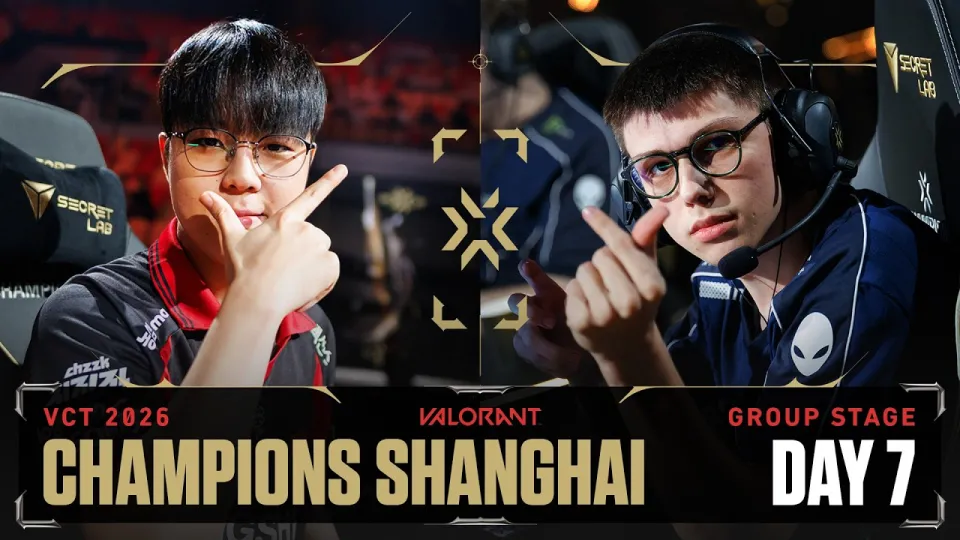
Video: VALORANT Champions Shanghai — Group Stage — Day 7
You can order the same kind of articles for your own video to boost it on YouTube and Google. Just message the Telegram bot @sat_sit_bot. Articles with your video embedded are written and posted by the bot itself — on popular topical sites (no ads). Free trial — 50 articles.
· based on the channel VALORANT Champions Tour
VALORANT Champions Shanghai is the final VCT event of 2026, running from September 24 to October 18, where 16 teams from Americas, CN, EMEA and Pacific fight for the world title. To follow the group stage properly, treat each broadcast day as a set of series to break down: check the format, track which teams are playing for seeding, and watch how teams handle eco rounds and retakes rather than just the scoreline. Live updates and announcements land fastest on the official VALORANT Esports X account, which is the main hub for schedule changes and results.
Day 7 of the group stage, published by the VALORANT Champions Tour channel, is a good example of how much a single broadcast day contains: multiple series, several tech pauses, and a batch of close rounds that decided which teams kept their upper-bracket path alive. The notes below explain how to read a day like that without needing a full rewatch.
What the VALORANT Champions Shanghai group stage actually decides
The group stage sorts 16 teams into bracket positions, and every series changes who gets an easier path to the playoff stage. Champions uses a GSL-style group format: teams are drawn into four groups of four, opening matches are best-of-three, and the winner's match sends one team straight through while the elimination match removes a team from the event. The deciding match then settles the second advancing team.
That structure matters for viewers because a single map loss can flip a team from an upper seed to a sudden-death series. When you open a broadcast day, first find the standings panel: it tells you which series are winner's matches, which are elimination matches, and which team is playing with nothing to lose. In Shanghai, with four regions represented, group draws also create cross-region matchups that rarely happen during the regular season.
How to read a full broadcast day without rewatching it
A full group-stage broadcast day is long, so the efficient approach is to watch the series that decide advancement and skim the rest. Use this order:
- Check the schedule and standings before pressing play, so you know which series are elimination matches.
- Watch the pistol rounds and the first two eco rounds of each map; they set the economy tone for the half.
- Skip to the second-half pistol and any round where a team is on match point.
- Note the tech pauses, because they often come right after a momentum swing and change how teams re-enter the map.
- Read the post-series interview or the official social feed for context on map picks and vetoes.
Day 7 drew complaints about an unusually long series of technical pauses, and that is worth planning for: pause time is dead air, but it is also when coaches talk and teams reset. If you are watching a VOD, skipping pauses costs you nothing; if you are watching live, use the downtime to check the bracket on the official channels.
The storylines that make Shanghai different
The 2026 season arrived in Shanghai with no clear favorite, because two different teams won Masters events during the year. That is the core narrative of the event: the established names who dominated earlier in the season met a new generation of challengers, and the group stage is where those challengers either prove the run was real or get exposed.
Three things to track across the group stage:
- Regional depth. The CN region sent multiple teams, and the debate about whether its representatives are weaker than the teams left at home is a recurring theme in the community. Group-stage results are the only real answer.
- Map pool discipline. Teams that win their pick and ban cleanly tend to survive best-of-three series even when individual form is shaky.
- Clutch conversion. A team that loses 5v2 retakes and eco rounds repeatedly is usually losing on structure, not aim, and that shows up in the round log before it shows up in the score.
Common viewer questions about the Shanghai group stage
Most confusion around the group stage comes from format and scheduling, not from the gameplay itself. A few recurring points:
- Why so many tech pauses? Long broadcast days with multiple series stack up technical issues. Pauses are handled by tournament officials and are not a signal about a team's performance.
- Why do some regions look stronger than others? Group draws create uneven matchups; a region's record depends heavily on which teams it faced and in which order.
- Is a group-stage loss fatal? No. The format gives most teams a second life through the elimination match, but a loss there ends the run.
- Where do results appear first? Official VCT social channels and the VALORANT Esports news page publish results and schedule updates before highlight packages go live.
How to judge a team's group-stage performance fairly
Judge teams on round-level process rather than series score alone, because best-of-three results hide a lot. Look at eco conversion, post-plant setups, and how often a team wins the first engagement on defense. A team that wins 13-11 while losing four eco rounds is in worse shape than a team that loses 11-13 with clean economy management.
Also separate individual highlights from system play. A single standout player can carry a map, but advancing through the group stage requires repeatable setups that survive a veto. When a team's set strategies stop working, the broadcast usually shows it immediately: defaults stall, utility gets burned early, and retakes become desperate. That pattern, more than any single scoreline, tells you who is ready for the playoff bracket.
Useful links
- Official VALORANT Esports on X: https://x.com/valorantesports
- Facebook: https://www.facebook.com/ValorantEsports/
- Instagram: https://www.instagram.com/valorantesports/
- TikTok: https://www.tiktok.com/@valorantesports
- Twitch: https://www.twitch.tv/valorant
Final takeaway
The Shanghai group stage is best watched as a bracket puzzle rather than a highlight reel: know which series decide advancement, watch the economy rounds, and treat tech pauses as downtime rather than drama. The VALORANT Champions Tour channel publishes the full broadcast days, which makes it the most reliable source for the group stage as it happened, including Day 7 and its long pause stretches. For schedules, results and announcements, follow the official VALORANT Esports X account and check it before each broadcast day.
Key takeaways
- VALORANT Champions Shanghai runs September 24 to October 18, with 16 teams from Americas, CN, EMEA and Pacific.
- Day 7 of the group stage is the subject of the official VALORANT Champions Tour broadcast VOD.
- Two different teams won Masters events in 2026, so Shanghai decides the year's world champion.
- Group stage uses best-of-three series; the top seeds advance and the rest drop to lower brackets or elimination.
- Viewers flagged repeated tech pauses and CN teams' struggles in eco and 5v2 rounds as the day's talking points.
Questions & answers
What is the VALORANT Champions Shanghai group stage format?
Sixteen teams from Americas, CN, EMEA and Pacific are drawn into four groups of four and play best-of-three series in a GSL-style bracket. Winner's match winners advance directly, elimination match losers are out, and the deciding match settles the second advancing team.
Why were there so many tech pauses during Day 7?
Long broadcast days with several back-to-back series produce more technical issues, and officials handle each pause before play resumes. Pauses are a production matter, not an indication of a team's form or the result.
Are CN teams really weaker than other regions at Champions?
That debate is common among viewers, but the group stage alone does not settle it. Regional strength depends on draw, map pool and which specific teams met, so judge results round by round rather than by region label.
Where can I get live results and schedule updates for the event?
The official VALORANT Esports channels publish results and schedule changes first, with X and the VALORANT Esports news page being the fastest. Full broadcast days, including group-stage VODs, appear on the VALORANT Champions Tour YouTube channel.
Source: VALORANT Champions Shanghai — Group Stage — Day 7 · Markdown version